The Job Duties of a Medical Assistant
Healthcare is one of the most dynamic and rewarding industries to work in, offering opportunities to make a meaningful difference in people's lives every day. If you are considering a career that combines patient care with administrative expertise, becoming a medical assistant may be the perfect path. Medical assistants play an essential role in healthcare settings by supporting physicians, assisting patients, and helping medical offices operate efficiently.
Programs such as the Medical Assistant Diploma offered by Prestige Career College provide the training needed to enter this field with confidence. The program is designed to equip students with the knowledge and hands-on experience necessary to perform both clinical and administrative duties in healthcare environments.
In this article, we will explore what a medical assistant does, the skills required for the job, and how proper training prepares students for a rewarding career in healthcare.
The Role of a Medical Assistant
A medical assistant is a versatile healthcare professional who works alongside physicians, nurses, and other medical staff to support patient care and administrative operations. Their role bridges the gap between the clinical and business sides of healthcare.
Medical assistants are commonly found in clinics, hospitals, urgent care centers, and specialty practices. They help ensure that patients receive timely care while also assisting healthcare providers with procedures and documentation. Their responsibilities can vary depending on the type of facility, but they generally include both front-office and back-office duties.
At Prestige Career College, the Medical Assistant Diploma Program prepares students for these varied responsibilities through a comprehensive curriculum that combines classroom instruction, laboratory practice, and clinical externships. The program includes 800 hours of training, including 200 hours of supervised clinical experience in an approved healthcare facility.
Administrative Responsibilities in Healthcare Offices
One of the most important roles of a medical assistant is supporting the administrative operations of a healthcare facility. These tasks help maintain organization and ensure that patients receive efficient and accurate service.
Administrative duties often begin at the front desk, where medical assistants greet patients and assist with the check-in process. They may collect medical histories, verify insurance information, and update patient records. Maintaining accurate records is essential because it allows healthcare providers to review patient information quickly and make informed decisions about treatment.
Medical assistants also schedule appointments and coordinate patient flow throughout the day. By organizing the schedule and communicating with patients, they help minimize delays and keep the office running smoothly. Effective scheduling also improves patient satisfaction by ensuring that visits are efficient and well-managed.
Another administrative responsibility involves medical billing and coding. Medical assistants may enter billing information, process insurance claims, and help ensure that documentation meets healthcare regulations. These tasks require attention to detail and familiarity with medical terminology and office software systems.
Clinical Duties That Support Patient Care
In addition to administrative work, a medical assistant also performs clinical tasks that directly support physicians and patients. These responsibilities are a vital part of healthcare delivery and require specialized training.
Clinical duties often begin with preparing patients for examinations. Medical assistants may escort patients to exam rooms, record vital signs such as blood pressure and temperature, and document symptoms or medical histories. This information helps physicians understand the patient's condition and plan appropriate treatment.
Medical assistants may also assist physicians during examinations or minor procedures. Their role can include preparing instruments, ensuring that equipment is sterile, and helping patients feel comfortable during the visit.
Some medical assistants perform basic laboratory tasks as well. These may include collecting specimens, preparing samples for testing, and performing routine laboratory procedures under supervision. Infection control practices and aseptic techniques are also important aspects of clinical work.
Specialized Technical Skills in Medical Assisting
The responsibilities of a medical assistant often extend beyond basic clinical tasks to include specialized technical skills. These skills allow medical assistants to provide additional support in diagnostic and treatment procedures.
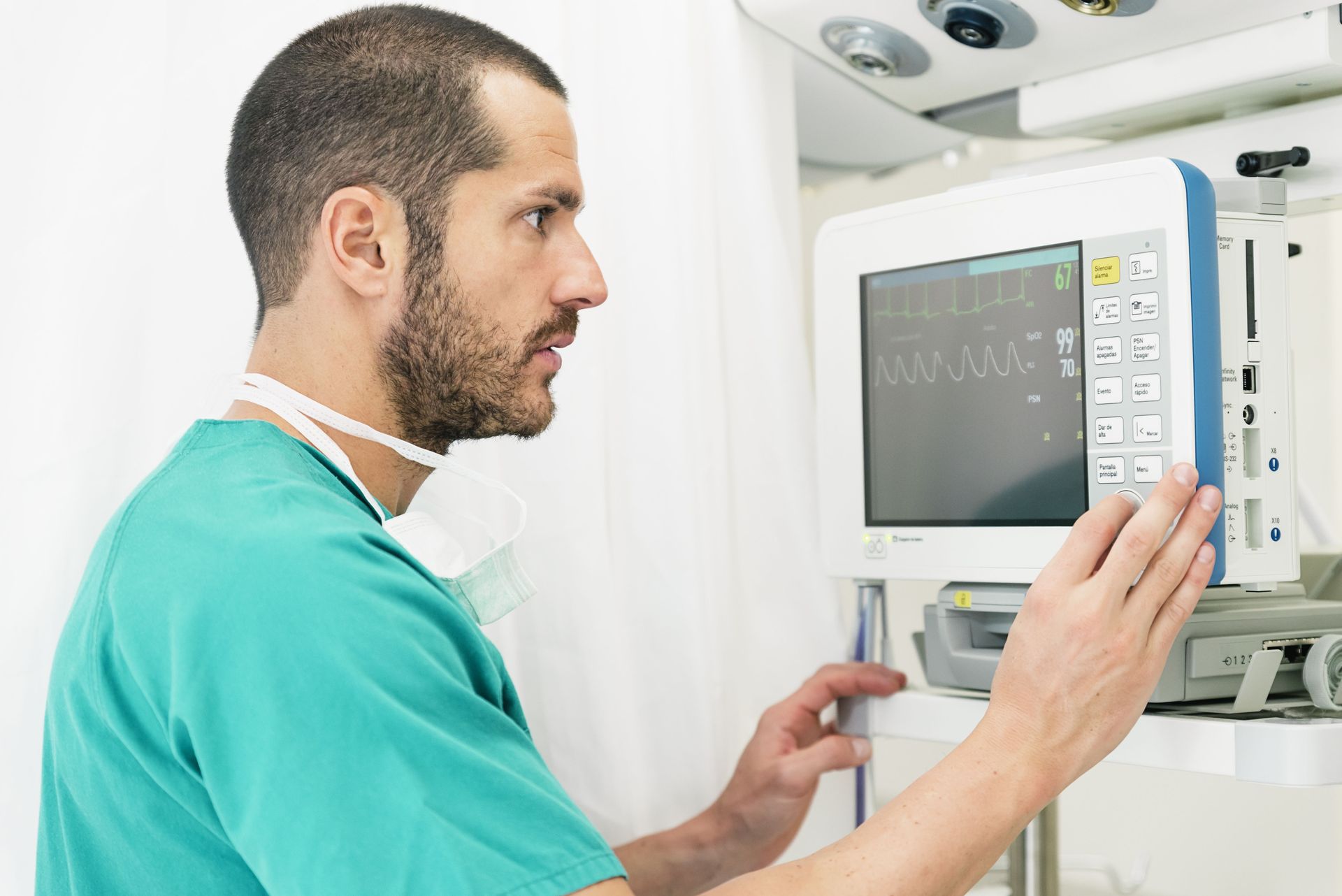
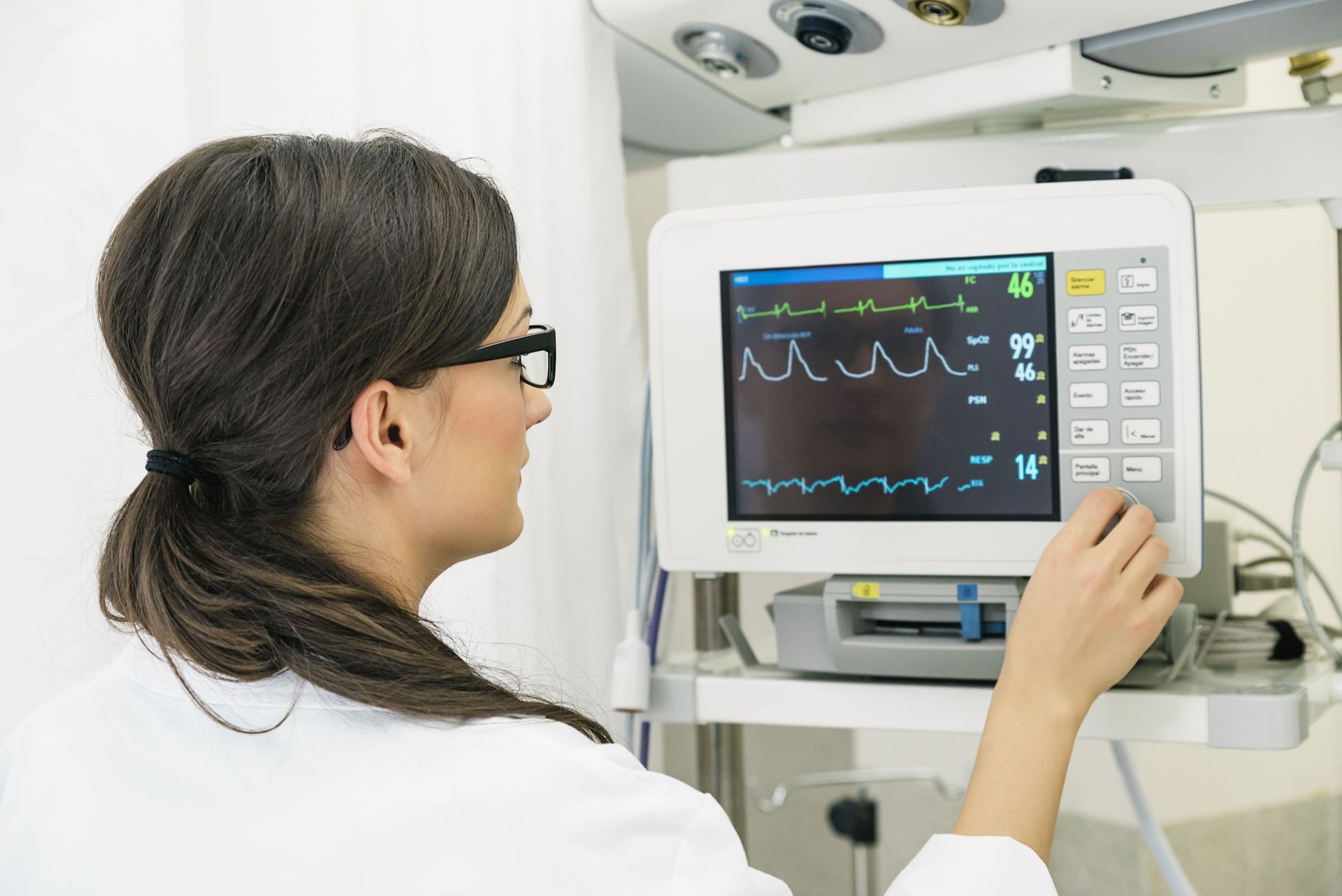
For example, medical assistants may perform electrocardiograms (EKGs), which measure the electrical activity of the heart. This test helps physicians detect heart conditions and monitor cardiac health. Medical assistants are trained to operate the equipment and ensure accurate results.
Phlebotomy is another common skill in medical assisting. This involves drawing blood for laboratory testing. Proper technique and patient communication are essential to ensure that the process is safe and comfortable.
Communication and Patient Interaction
While technical knowledge is essential, the interpersonal side of the job is equally important. A successful medical assistant must communicate clearly and compassionately with patients, healthcare providers, and administrative staff.
Medical assistants are often the first healthcare professionals patients interact with during a visit. Their ability to create a welcoming and supportive environment can significantly impact a patient's experience.
Communication skills are also crucial when gathering patient information. Medical assistants must ask questions carefully and document responses accurately. They must also be able to explain instructions clearly, whether they are related to medications, follow-up appointments, or preparation for procedures.
Healthcare environments can sometimes be stressful, especially for patients who are experiencing illness or anxiety. Medical assistants help ease these concerns by providing reassurance and guidance throughout the visit.
Training programs emphasize these communication skills along with teamwork and professionalism, helping students prepare for the collaborative nature of healthcare environments.
Compliance and Medical Ethics
Healthcare professionals must follow strict regulations and ethical guidelines to protect patient safety and privacy. A medical assistant plays an important role in maintaining these standards.
Medical assistants must understand healthcare laws and regulations, including privacy rules that protect patient information. Proper documentation and record management are essential for compliance with these regulations.
Training also includes instruction in medical ethics, which guides how healthcare professionals interact with patients and handle sensitive information. Ethical behavior ensures that patients receive respectful and professional care.
Students at Prestige Career College learn about healthcare laws, documentation requirements, and privacy regulations as part of their training. This knowledge helps them perform their duties responsibly and confidently in real healthcare settings.
Hands-On Training and Real-World Experience
One of the most valuable aspects of a medical assisting program is the opportunity to gain practical experience before entering the workforce.
The Medical Assistant Diploma Program at Prestige Career College includes classroom instruction, skills laboratory training, and a clinical externship in an approved healthcare facility. This combination allows students to apply what they learn in real medical environments under professional supervision.
Externships provide students with valuable exposure to everyday healthcare operations. They also allow students to practice patient care techniques, interact with healthcare teams, and become familiar with clinical workflows.
This real-world experience helps bridge the gap between education and employment, making graduates better prepared to succeed in their careers.
Career Opportunities for Medical Assistants
Healthcare continues to grow as an industry, creating strong demand for trained professionals who can support patient care and medical office operations.
Medical assistants can work in a variety of settings, including primary care clinics, specialty medical offices, urgent care centers, and hospitals. Some choose to work in specialized fields such as dermatology, cardiology, or pediatrics, where they assist with procedures unique to those areas of medicine.
Because medical assistants possess both clinical and administrative skills, they are valuable members of any healthcare team. Their ability to handle diverse responsibilities allows medical facilities to operate more efficiently while providing high-quality patient care.
Many individuals also use their experience as a medical assistant as a foundation for further education in healthcare. With hands-on experience and industry knowledge, they may choose to pursue advanced roles within the medical field.
According to the U.S. Bureau of Labor Statistics, employment of registered nurses is projected to grow 6 percent over the next decade, faster than the average for other occupations. This statistic reflects the broader growth occurring throughout the healthcare industry, creating opportunities for professionals who want to begin their journey in medical support roles.
Take the first step toward your future in healthcare. Contact Prestige Career College today to learn more about the Medical Assistant Program and start your journey toward becoming a skilled and compassionate medical assistant.

Share On: