
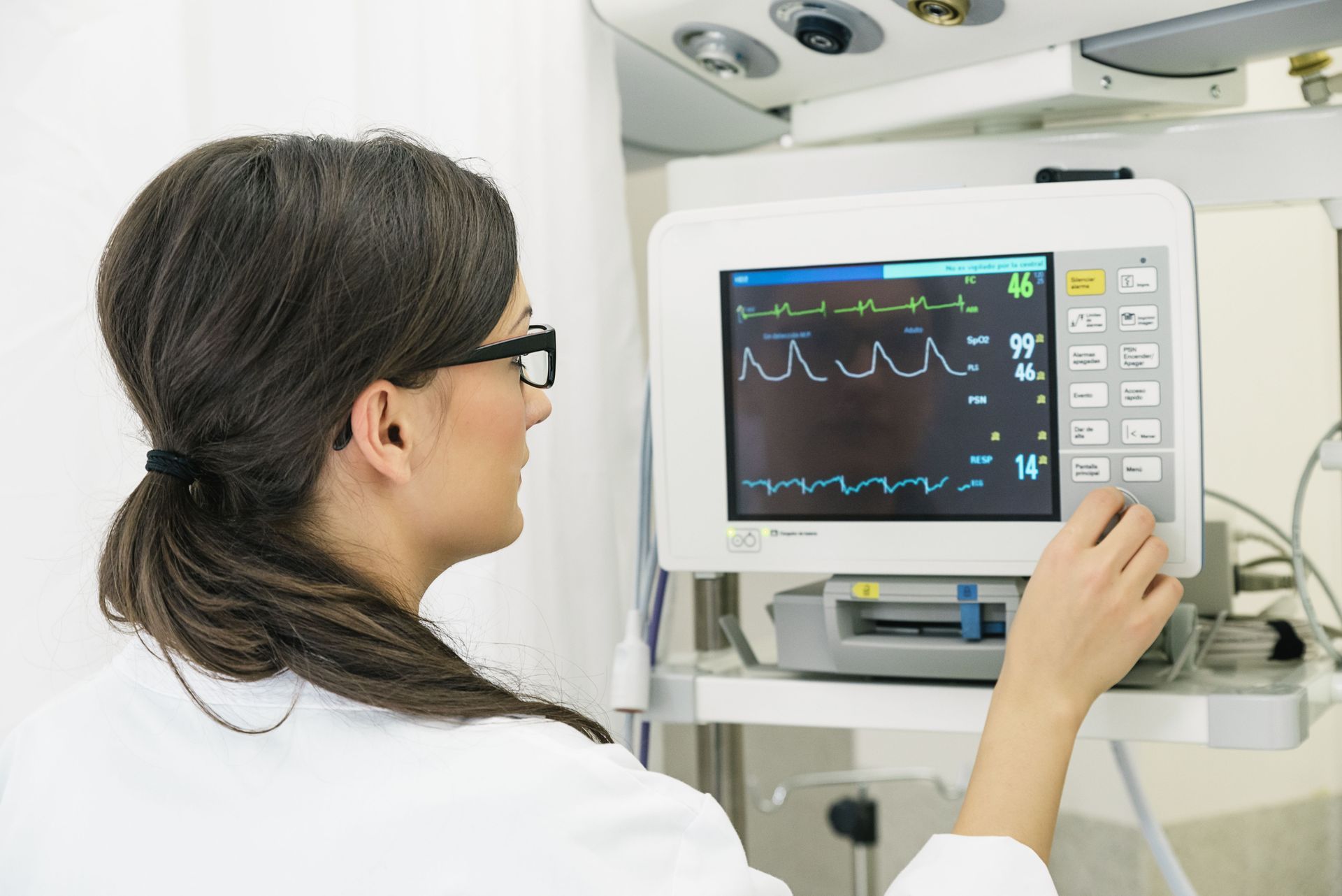
Steps to Take to Become a Nurse Assistant

January 19, 2026

Becoming a nurse assistant is a rewarding career choice for those interested in healthcare. This article outlines the necessary steps to pursue a fulfilling role as a nurse assistant, including educational requirements, certification processes, and career development opportunities. According to the American Association of Colleges of Nursing, nursing is the largest healthcare profession in the United States, with almost 4.7 million registered nurses, emphasizing the vast opportunities within the field. By following these steps, aspiring nurse assistants can embark on a successful and meaningful journey in the medical field.


The Role of a Nurse Assistant


Duties and Responsibilities

Nurse assistants, also known as Certified Nursing Assistants (CNAs), are vital members of the healthcare team. Their primary duties include assisting patients with daily activities such as bathing, dressing, and eating. CNAs are responsible for monitoring patients' vital signs and reporting any changes to the nursing staff. They provide emotional support and companionship to patients, enhancing their overall well-being. The role of a nurse assistant is essential in ensuring that patients receive quality care and attention.


Essential Skills Required

To excel as a nurse assistant, one must possess a variety of essential skills. Strong communication skills are crucial for effective interaction with patients and healthcare staff. Empathy and compassion are necessary for understanding patients' needs and providing comfort. Physical stamina is required to assist with patient mobility and perform tasks such as lifting. Problem-solving abilities are important for identifying and addressing patient concerns. Overall, a successful medical assistant combines technical skills with interpersonal qualities to provide exceptional care.


Work Environments

Nurse assistants can find employment in diverse healthcare settings. They often work in hospitals, nursing homes, and long-term care facilities. Home healthcare services also employ CNAs to provide personalized care for patients in their own homes. Some nurse assistants work in rehabilitation centers, supporting patients recovering from surgery or injury. Each work environment offers unique experiences and challenges, allowing nurse assistants to choose a setting that aligns with their interests and career goals.


Interpersonal Skills and Patient Interaction

Interpersonal skills are fundamental for nurse assistants as they interact with patients daily. Building trust with patients is essential for delivering care respectfully and compassionately. Effective communication ensures that patients' concerns are heard and addressed, enhancing their experience. CNAs often serve as a bridge between patients and the broader healthcare team, facilitating information exchange. By demonstrating empathy and understanding, CNAs can positively impact patients' emotional and mental well-being.


Challenges and Rewards of the Position

The role of a nurse assistant comes with its own set of challenges and rewards. CNAs often work long hours, and the physical demands of the job can be strenuous. However, the position is incredibly rewarding as nurse assistants make a tangible difference in patients' lives. The opportunity to develop meaningful relationships with patients and witness their progress is fulfilling. Additionally, nursing is the largest healthcare profession in the U.S., and being part of this meaningful field provides substantial job satisfaction.


Educational Requirements


High School Diploma or GED

The first educational requirement to become a medical assistant is obtaining a high school diploma or GED. This foundational education equips aspiring CNAs with basic knowledge and skills necessary for further training. A high school diploma demonstrates a candidate's commitment to education and establishes the groundwork for pursuing a healthcare career. For those without a diploma, completing a GED offers an equivalent qualification recognized in the healthcare industry. Having this initial educational requirement ensures candidates are prepared for the demands of CNA training programs.


The Right CNA Program

Choosing the right Certified Nursing Assistant (CNA) program is a critical step in one's career journey. Prospective students should research various programs to find one that fits their educational and training needs. Accredited programs meet industry standards, offering quality education and clinical experiences. It's advisable to consider factors such as program length, curriculum, student reviews, and post-graduation employment rates. By selecting a reputable CNA program, students lay a strong foundation for their future success in healthcare.


Online vs. In-Person Training Programs

When selecting a CNA training program, students must weigh the pros and cons of online versus in-person options. Online programs provide flexibility, allowing students to learn at their own pace and balance other commitments. However, in-person programs offer hands-on clinical experience, which is invaluable for developing practical skills. Each option has its benefits and challenges, and candidates should consider their learning styles and personal preferences. Ultimately, the choice depends on which format aligns with their educational goals and lifestyle.


Curriculum and Coursework

The CNA training curriculum covers essential topics that prepare students for their role as nurse assistants. Coursework typically includes anatomy, physiology, infection control, and patient care techniques. Programs often incorporate clinical practice, allowing students to apply their knowledge in real-world healthcare settings. Understanding the curriculum helps students gain insights into the skills required for patient care and the responsibilities of a CNA. Thorough training is crucial to ensure that nurse assistants provide safe and effective care to patients.


Certification Acquirement


State-Specific Certification Requirements

Furthermore, certification requirements for CNAs vary across states, and aspiring nurse assistants need to understand these differences. Each state has its own regulating body that outlines specific certification criteria, including training hours and examination processes. Candidates must ensure their training program meets state regulations to qualify for the CNA exam. Familiarity with state-specific requirements ensures a smooth certification process, minimizing potential setbacks. Keeping updated with regulatory changes is crucial for initial certification and ongoing compliance.


CNA Exam Prep

Preparing for the CNA exam is a critical step in obtaining certification. The exam typically consists of a written test and a skills demonstration component. Thorough study, practice, and review of the course material help build competency and confidence. Many candidates find practice exams and study groups beneficial in reinforcing their knowledge. Adequate preparation ensures success on the exam, enabling candidates to begin their careers as certified nurse assistants.


CNA Exam Registration

Once prepared, candidates must register for the CNA exam through their state's certifying board. The registration process involves submitting necessary paperwork, such as proof of completed training and identification documents. Scheduling the exam requires selecting an available test date and location. Candidates should be mindful of deadlines and ensure all paperwork is accurate and submitted on time. Successfully registering for the exam is a pivotal milestone on the certification path.


Exam Day Tips and Strategies

On exam day, candidates should arrive early, well-rested, and prepared with necessary documentation. Reading and understanding all instructions is crucial, as is managing time efficiently during the test. For the skills demonstration, practice, and familiarity with each task can reduce anxiety. Remaining calm, confident, and focused contributes to a positive testing experience. Thorough preparation and strategic planning improve candidates' chances of successfully obtaining their CNA certification.


Embarking on a career as a nurse assistant involves dedication and commitment. By following the steps outlined in this article, aspiring nurse assistants can successfully enter the field, gain valuable experience, and explore various pathways for career progression in the healthcare industry. As the largest healthcare profession in the U.S., nursing offers countless opportunities for growth and specialization. If you have any more questions or would like more information, please don't hesitate. Call us at Prestige Career College today!

Steps to Take to Become a Nurse Assistant
cna programs
January 20, 2026
Are you curious about the future of CNA careers? Keep reading or contact us today to learn more and get started with our CNA programs.

certified medical assistants
December 18, 2025
Are you wondering whether the careers of certified medical assistants could be right for you? Keep reading or contact us today to learn more.

local certified medical assistant
October 31, 2025
Are you looking to become a local certified medical assistant? Here are just a few of the essential skills every good assistant needs to succeed.
More Posts →