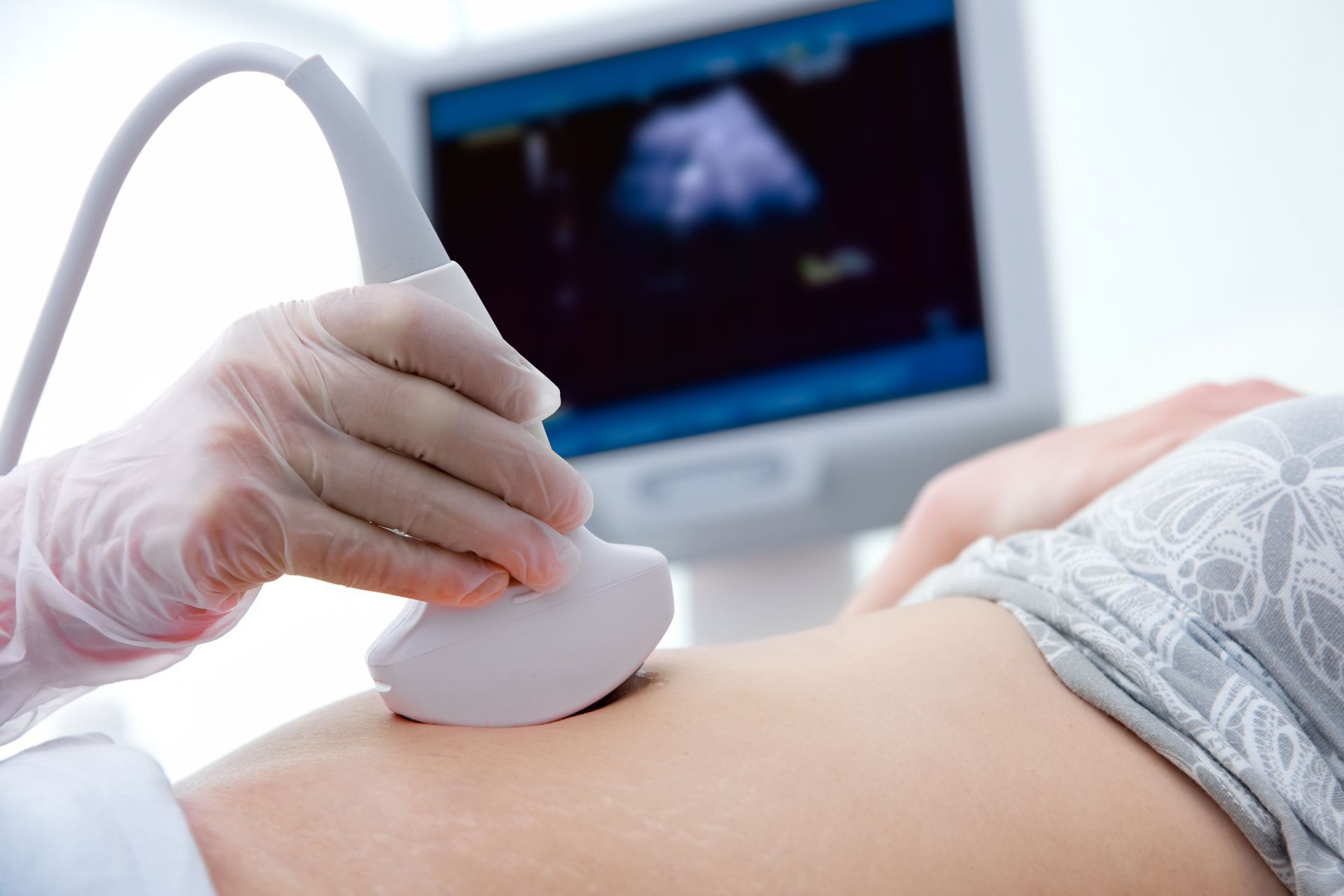
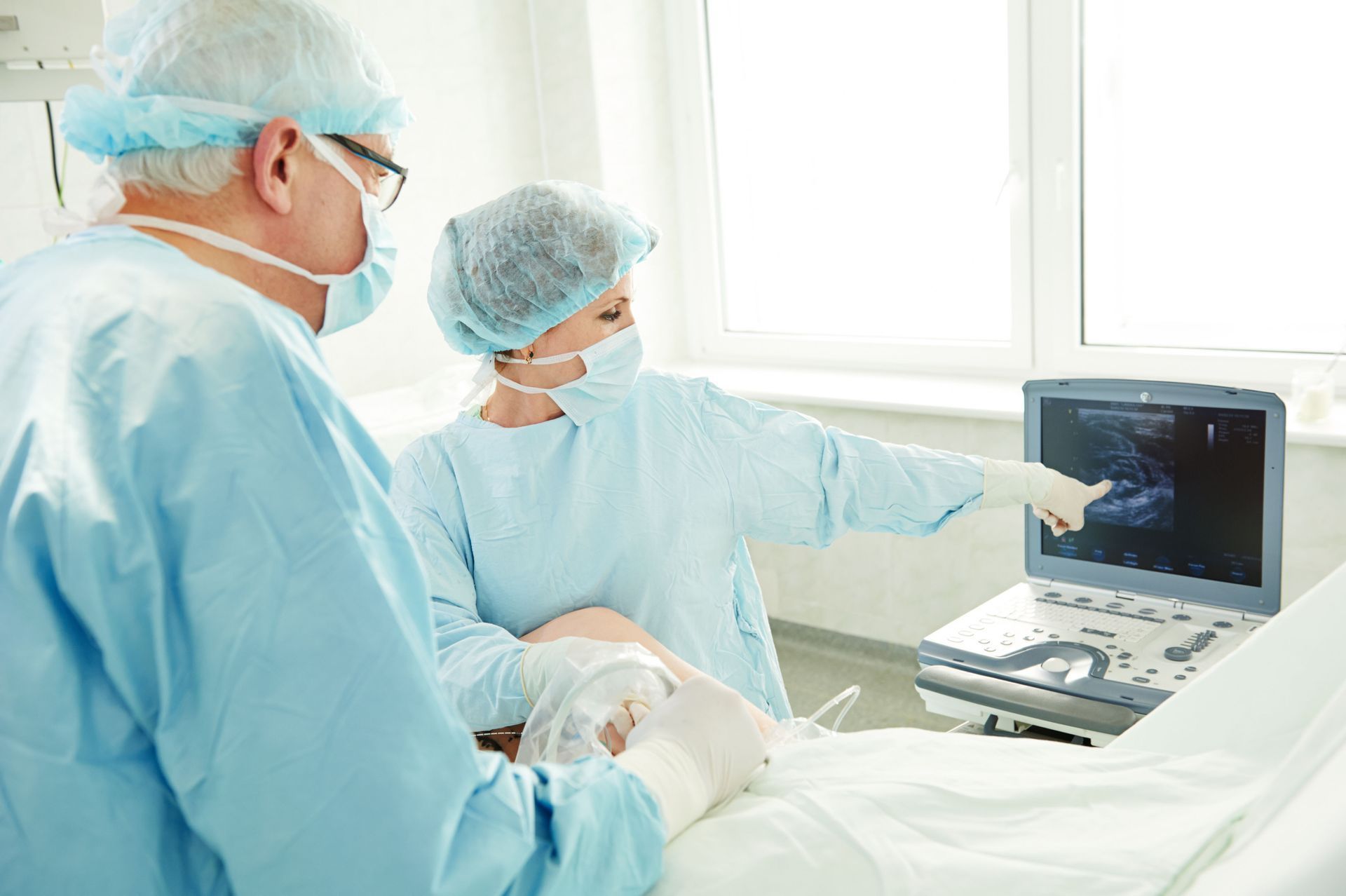
The room is quiet and the lights are low. A sonographer places a transducer against a patient’s skin, and within seconds, images from inside the body begin appearing on the screen. For an expecting family, that image might provide a first glimpse of their baby. For a physician, it may provide important information needed to understand a patient’s symptoms and determine the next step in care. For the diagnostic medical sonographer, it is where knowledge, technology, skill, and patient care come together. More Then Baby Pictures When most people hear the word “ultrasound,” they immediately think of pregnancy. Obstetric imaging is an important application of sonography, but the profession reaches far beyond it. Diagnostic medical sonographers use specialized equipment and high-frequency sound waves to create images of structures inside the human body. Depending on their training and specialty, sonographers may examine the abdomen, blood vessels, organs, soft tissues, and other areas of the body. The images they produce can help physicians evaluate medical conditions, assess blood flow, identify abnormalities, and make informed decisions about a patient’s care. Unlike X-rays and CT scans, diagnostic ultrasound creates images using sound waves rather than ionizing radiation, making it an important and widely used medical imaging technology. A Skilled Healthcare Professional Physicians Depend On Being a sonographer is about much more than operating an ultrasound machine. Sonographers need a strong understanding of anatomy and physiology. They must know how to position patients, select appropriate imaging techniques, locate anatomical structures, obtain high-quality images, and recognize when additional views may be needed for the interpreting physician. Technical ability is only part of the job. Sonographers often work closely with patients who may be uncomfortable, anxious, or worried about what an examination could reveal. The ability to communicate clearly, remain professional, and help patients feel comfortable can be just as important as knowing how to obtain an excellent image. It is a healthcare career that brings together science, technology, critical thinking, attention to detail, and human connection. How the Diagnostic Medical Sonography Program at Prestige Works Prestige Career College’s Diagnostic Medical Sonography Associate Degree Program is offered at all three Prestige Career College locations: Huntington Park • Pomona • Van Nuys The program is approved for hybrid delivery, combining the flexibility of online coursework with the hands-on education essential to developing sonography skills. Students build their scanning abilities through laboratory practice and further develop their knowledge and skills through clinical training. The program is led by Dr. Ali Amini, RDMS, DMS Program Director, alongside faculty members who hold professional Registered Diagnostic Medical Sonographer credentials. Students have the opportunity to learn from professionals who understand both the science behind sonography and the practical skills required in the field. Throughout the program, students develop the knowledge and competencies associated with diagnostic medical sonography while preparing for applicable professional credentialing examinations. Why Consider Sonography Now? The employment outlook for diagnostic medical sonographers is strong. According to the U.S. Bureau of Labor Statistics , employment of diagnostic medical sonographers is projected to grow 14% from 2025 to 2035, substantially faster than the average for all occupations. Approximately 6,000 openings are projected each year, on average, over the decade. As ultrasound technology continues to be used across a growing range of medical specialties, trained sonographers are needed in hospitals, physicians’ offices, outpatient facilities, medical and diagnostic laboratories, and other healthcare settings. Could Sonography Be Right for You? You may be a good fit for Diagnostic Medical Sonography if: You are curious about the human body and how it works. You enjoy technology and learning how to use specialized equipment. You have a good eye for detail and enjoy solving problems. You can remain focused and precise while working with your hands. You enjoy helping people and can put patients at ease. You want to develop specialized skills for a professional career in healthcare. You do not have to begin your journey already knowing how to operate an ultrasound machine. You begin by bringing the curiosity, commitment, and willingness to learn. The skills are developed through education, practice, and clinical experience. See Your Future Differently There is something remarkable about learning to see what cannot be seen from the outside, and developing the skills to capture images that can contribute to a patient's care. If you are looking for a healthcare career that combines advanced technology with meaningful patient interaction, Diagnostic Medical Sonography may be the career you have been looking for. Start Your Sonography Career December 14, 2026 The next Diagnostic Medical Sonography class begins December 14, 2026, at all three Prestige Career College locations: Huntington Park • Pomona • Van Nuys Seats are limited. Call (323) 433-9325 or request information online to learn about admission requirements, program details, and how to get started. Interested in Diagnostic Medical Sonography? Request information today and take the first step toward a future in medical imaging.
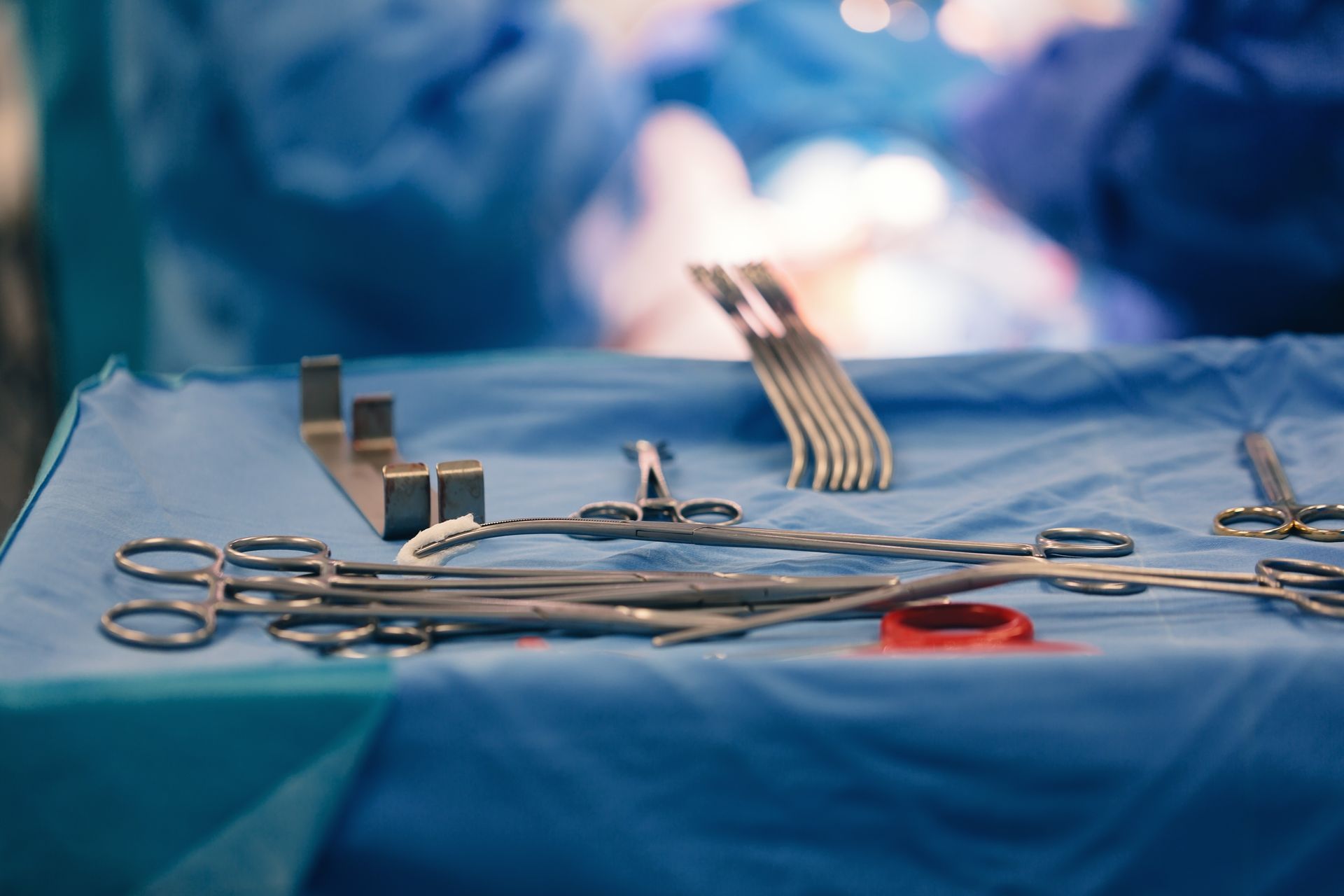
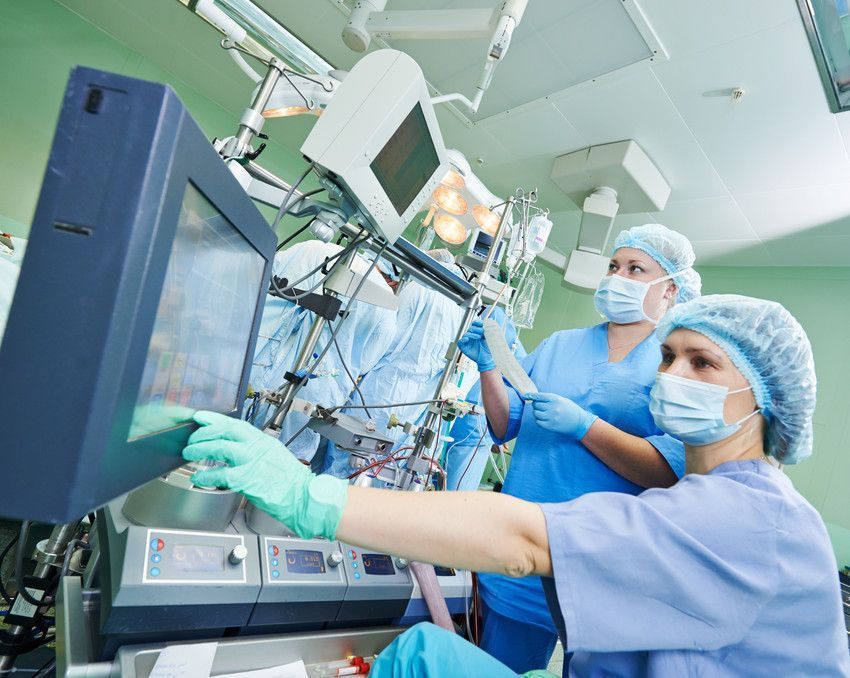
The patient is prepped. The lights are on. The surgical team is scrubbed in and ready. But before the surgeon makes the first incision, someone has already laid out every instrument in exact order, confirmed that each one is sterile, and counted them. That someone is the surgical technologist, and without them, the operation doesn’t begin. If you have ever wanted to be in the room where it happens, this is your moment. Prestige Career College’s next Surgical Technology class begins November 9, 2026, and seats are limited. What does a surgical technologist actually do? Surgical technologists are the members of the operating room team who make sure everything a surgeon needs is ready, sterile and exactly where it should be. Their work happens in three stages. Before surgery, they prepare the operating room, sterilize and arrange instruments and supplies, set up equipment, and help get the patient into position. During surgery, they pass instruments to the surgeon, anticipate what will be needed next, and protect the sterile field that keeps the patient safe from infection. After surgery, they count every instrument, sponge and needle to make sure nothing is left behind, then help prepare the room for the next case. It’s a career built for people who stay calm when things move fast, who notice the smallest details, and who want to be part of a team where every role matters. Why surgical technology, and why now Surgery is part of everyday healthcare, in hospitals, outpatient surgery centers and specialty clinics across Southern California. Every one of those operating rooms needs trained surgical technologists. The employment outlook provides another reason to consider this profession. According to the U.S. Bureau of Labor Statistics , employment of surgical assistants and technologists is projected to grow 5% from 2025 to 2035, faster than the average for all occupations, with about 8,600 openings projected nationally each year. The median annual wage for surgical technologists was $64,650 in May 2025. The outlook in California is also encouraging. State projections reported through O*NET show about 12,100 surgical technologist positions in California in 2024, with employment projected to reach about 13,500 by 2034, a 12% increase. That’s about 840 job openings in California each year. These statistics do not guarantee employment or earnings for an individual graduate, but they demonstrate the continuing workforce need for trained surgical technology professionals. And unlike many roles in the operating room, you can get there without spending most of a decade in school. A Hybrid Program Combining Theory, Hands-On Training and Externship Healthcare education cannot be limited to textbooks. Students need to understand the theory, but they also need opportunities to practice their skills and experience the healthcare environment. That is why Prestige Career College’s Surgical Technology program uses a hybrid/blended educational approach that brings together three important components: Theory + Hands-On Laboratory Training + Clinical Externship Students receive theoretical instruction through synchronous online and on-site learning, while hands-on laboratory training provides opportunities to develop practical surgical technology skills. After completing the required classroom and laboratory components, students participate in a supervised clinical externship in a real-world surgical environment. You’ll learn the foundations every surgical technologist needs: anatomy, the instruments used in common procedures, aseptic technique, and how to work as part of a surgical team. Already in sterile processing? This could be your next step If you’ve trained as a sterile processing technician, you already know surgical instruments better than most people ever will. You know how trays are built, why every count matters, and what it takes to keep instruments sterile. Surgical technology takes that knowledge from the sterile processing department into the operating room itself. Is surgical technology right for you? You might be a great fit if: You stay focused and steady under pressure You like work that demands precision and attention to detail You enjoy being part of a close-knit team You want a meaningful healthcare career without a four-year degree You’re ready to commit to a program that will challenge you Reserve your seat for November 9 Classes begin November 9, 2026. Surgical Technology is offered at all three of our campuses: Huntington Park, Van Nuys and Pomona. Because hands-on training happens in small groups, seats are limited. Call (323) 433-9325 or request information online to speak with an admissions representative and take the first step toward the operating room.

Are you curious about the future of CNA careers? Keep reading or contact us today to learn more and get started with our CNA programs.
Do you have questions about becoming a nurse assistant? Read this blog to learn more about the steps to take to become a nurse assistant.
Are you wondering whether the careers of certified medical assistants could be right for you? Keep reading or contact us today to learn more.

Are you looking to become a local certified medical assistant? Here are just a few of the essential skills every good assistant needs to succeed.
Do you know what to expect from a career as an ultrasound technician? Read this article or give us a call at Prestige Career College today for more information.

A certified medical assistant plays a vital role in modern healthcare. Discover why demand for the role is rising and this career path is thriving.

Are you considering enrolling in a certified medical assistant program? Here are some of the top reasons you should move forward with enrollment.

Wondering how to prepare for your CNA program exams? Check out this guide to learn more, and reach out to us today with any questions!